Our website use cookies to improve and personalize your experience and to display advertisements(if any). Our website may also include cookies from third parties like Google Adsense, Google Analytics, Youtube. By using the website, you consent to the use of cookies. We have updated our Privacy Policy. Please click on the button to check our Privacy Policy.
Avatar photo

Ryan Whitmore

329 Posts
Eswatini: CSR cases supporting preventive health and workplace well-being

Eswatini: Corporate Social Responsibility in Health & Well-being

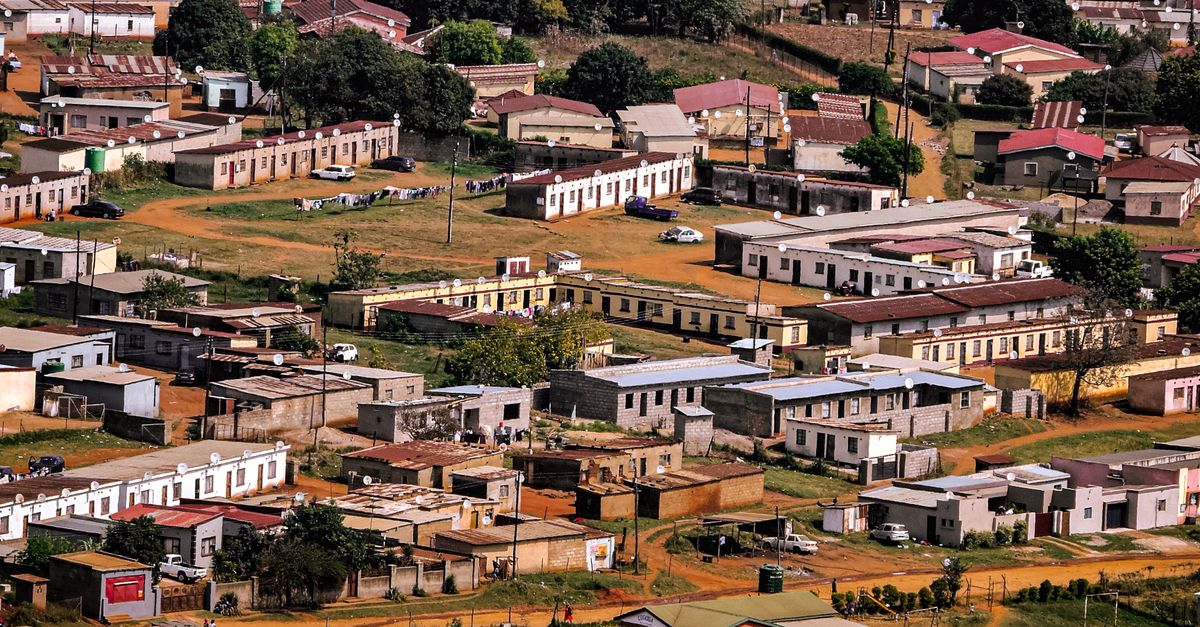
Eswatini contends with unique public health and workplace issues driven by its small, open economy, substantial communicable disease rates, and a sizable informal labor sector, while corporate social responsibility in Eswatini has shifted from simple charity toward more strategic efforts that safeguard employee well-being, mitigate operational risks, and reinforce community stability, and this article brings together prevalent CSR strategies, illustrative case-style scenarios, trackable results, implementation insights, and actionable guidance for companies and partners aiming to advance preventive health and workplace wellness.Context and public health prioritiesEswatini has long shouldered a high burden of HIV and tuberculosis and is now also addressing…

Read More
Why algorithmic bias becomes a public policy risk

Understanding Algorithmic Bias as a Public Policy Threat

Algorithmic systems now make or influence decisions across criminal justice, hiring, healthcare, lending, social media, and public services. When those systems reflect or amplify social biases, they stop being isolated technical problems and become public policy risks that affect civil rights, economic opportunity, public trust, and democratic governance. This article explains how bias arises, documents concrete harms with data and cases, and outlines the policy levers needed to manage the risk at scale.What is algorithmic bias and how it arisesAlgorithmic bias refers to systematic and repeatable errors in automated decision-making that produce unfair outcomes for particular individuals or groups. Bias…
Read More
Egypt: industrial CSR improving workplace safety and resource efficiency

Egypt: Sustainable Industrial Practices & CSR

Industrial corporate social responsibility (CSR) in Egypt is increasingly understood through two closely connected aims: safeguarding employees and optimizing resource use. As the country advances economic development under national frameworks like Egypt Vision 2030, manufacturers, energy enterprises, construction firms, and industrial parks are translating CSR pledges into tangible safety measures and resource‑efficiency initiatives that cut expenses, lessen environmental harm, and strengthen social well‑being.Why workplace safety and resource efficiency matter for Egyptian industryWorkplace safety directly affects employees, productivity, and costs. Unsafe sites increase absenteeism, insurance premiums, and turnover while threatening reputations and export markets that demand compliance with global labor and…
Read More
Real estate iReal estate investment in Panama

Real Estate in Panama: Residency for Foreign Buyers?

You are not required to hold residency to purchase property in Panama. Local legislation grants foreigners the same rights as citizens when acquiring real estate, turning the Panamanian market into one of the most inviting and easily accessible options for international investors aiming to broaden their portfolios within a stable economic setting.This legal openness, along with a dollarized economy and consistent regulatory stability, has sparked growing interest among buyers aiming to broaden their portfolios by purchasing real estate with strong appreciation prospects, including homes on the exclusive private islands of Ocean Reef Islands. Would you like to find out whether…
Read More
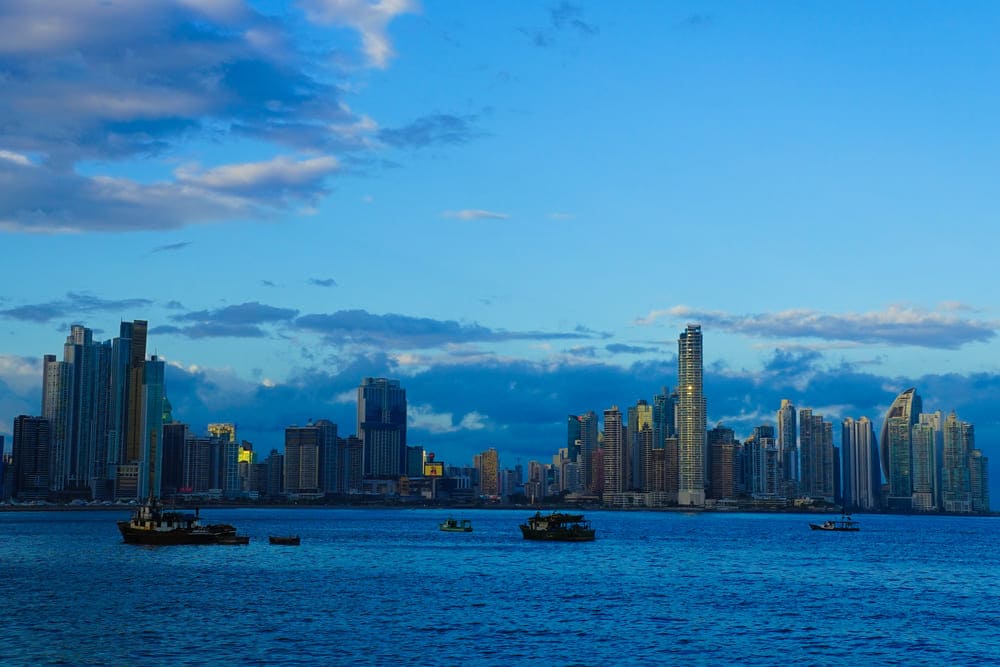
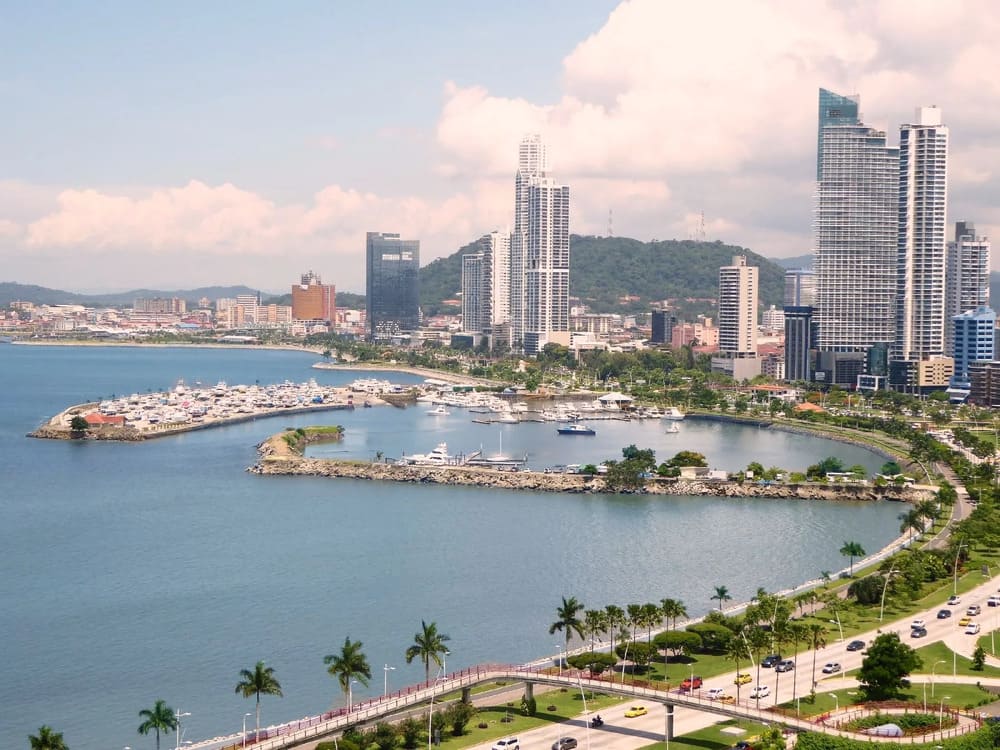
Costa del Mar leads Panama City’s residential market in 2026

Panama City 2026: Costa del Mar Leads Residential Growth

Costa del Mar stands out as the most sought-after community in Panama City in 2026 due to its balance of beachfront living, urban connectivity, and high-end real estate development. Its strategic location within Costa del Este, its well-planned surroundings, and its rising property values have made it a highly sought-after area among professionals, families, and investors seeking a high quality of life without moving far from the city.Within this community, projects are being developed that meet the new expectations of the residential market. IPANEMA Residences is one of the developments driving this evolution, combining modern design, panoramic ocean views, and…
Read More
What’s failing in the global plastics response

Global Plastics Crisis: Why Our Response is Falling Short

Global efforts to address plastics have delivered limited progress, while numerous challenges persist. Production keeps climbing, waste management remains underfunded, policies lean too much on voluntary measures from industry, and many touted technical solutions fail to confront the underlying drivers. Consequently, plastic pollution continues to intensify, fossil-fuel dependencies deepen, and social and environmental damages grow—most acutely in low- and middle-income countries.Failure 1 — Production continues to rise while policy stays focused on end-of-life stagesThe conversation remains tilted toward waste management and recycling while production of new plastics marches upward. Global production is on the order of hundreds of millions of…
Read More
fashion woman art girl

TikTok and the Future of Fashion

In today's digital era, TikTok stands out as a revolutionary platform with a profound impact on various aspects of culture and lifestyle. Notably, it has become a significant force in shaping fashion trends worldwide. With its vast user base and short video format, TikTok provides a unique stage where fashion enthusiasts can express themselves and influence global fashion dynamics.The Emergence of MicrotrendsOne significant impact TikTok exerts on fashion is how quickly it propels and spreads microtrends. These niche, small‑scale movements surge in visibility within particular groups and often shape wider style preferences. For example, the widely recognized "cottagecore" aesthetic, defined…
Read More
What is digital fashion?

Digital Fashion: What You Need to Know

Digital fashion represents an innovative frontier in the textile and technology industries, merging the traditional allure of fashion with the limitless possibilities of virtual spaces. While fashion has been a cornerstone of human culture for centuries, the digital realm opens doors to new, unprecedented ways of creation, presentation, and consumption.The Rise of Digital FashionDigital fashion, at its core, utilizes virtual and augmented reality technologies to design and showcase clothing. Unlike traditional garments, digital fashion items exist solely in the digital realm. Designers can now create clothing that defies the laws of physics, offering an endless array of possibilities in terms…
Read More
¿Cómo están redefiniendo las NPU y los chips de IA las hojas de ruta de móviles y PC?

The Ripple Effect: Tech Export Controls on Businesses & Buyers

Tech export controls refer to government-imposed rules that limit how specific technologies may be sold, transferred, or shared across borders, covering everything from hardware components and complete devices to software, source code, and specialized technical expertise. These measures are implemented for reasons tied to national security, economic sanctions, and the protection of human rights, and their impact reaches corporate decision-making, global supply networks, innovation environments, and the everyday choices made by consumers.How export controls operateExport controls work through several common mechanisms:Product and technology classification: governments assign codes or categories (for example, dual-use versus military) that determine which items require a…
Read More
What is Moltbook, the social networking site for AI bots – and should we be scared?

Regulating Social Media: A Global Conundrum

Social media platforms shape the circulation of information, influence political dynamics, drive commercial activity, and affect private life across borders. Regulating them extends far beyond drafting rules; it requires balancing divergent legal frameworks, navigating technical constraints, weighing economic motivations, accounting for political forces, bridging cultural gaps, and confronting operational challenges on an unparalleled global scale. Below, the core obstacles are outlined, illustrated with examples and data, and accompanied by practical paths for moving forward.1. Scale and technical limitsSheer volume: Platforms accommodate billions of users and handle an immense stream of posts, messages, photos, and videos each day. While automated tools…
Read More