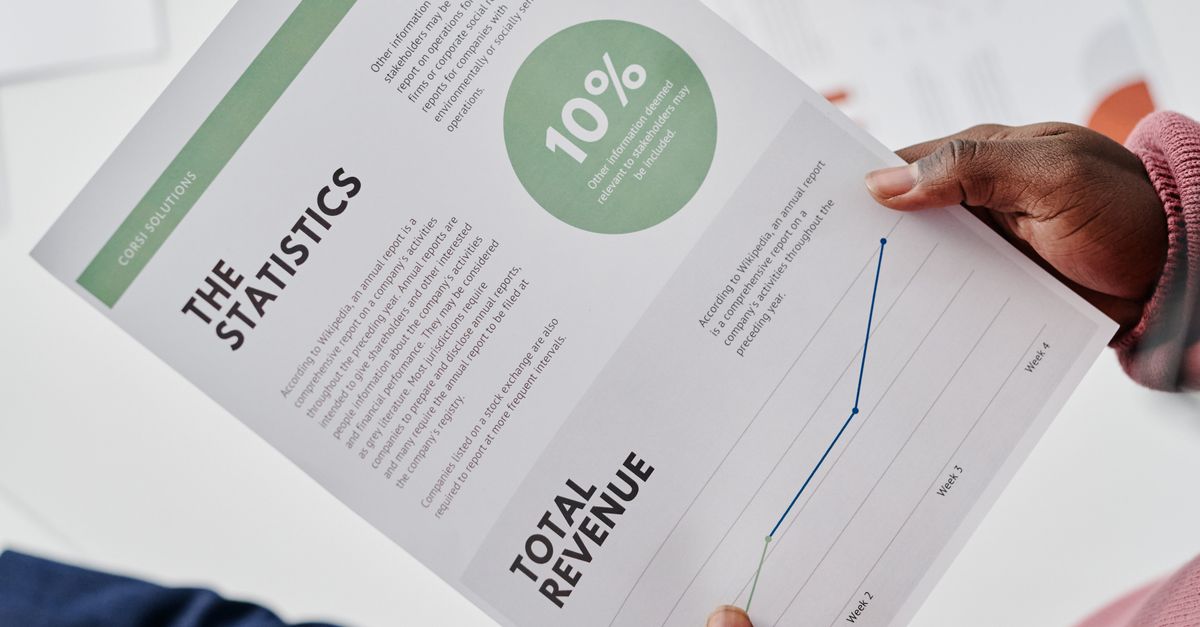
In the latest trading periods, stock markets have experienced significant increases, with key indices rising gradually and investor confidence seemingly on the rise. However, even with this growing momentum, a definitive and consistent reason for the rally remains unclear. Specialists including analysts, economists, and traders are looking into typical factors—such as economic statistics, corporate earnings, interest rate predictions, and global events—but none appear to completely explain the ongoing positive trend.
This type of market fluctuation, where stock prices increase without an obvious trigger, typically indicates a complicated blend of psychological factors, anticipations, and structural dynamics. It also shows how contemporary financial markets occasionally behave in ways that resist simple logic or clear explanation. Although data and news undoubtedly influence investor actions, other intangible aspects—like sentiment, momentum, and positioning—can propel markets with equal strength.
A potential reason contributing to the rise might be a feeling of reassurance. Throughout the previous year, markets have struggled with concerns over ongoing inflation, forceful central bank policies, and the potential for a worldwide economic downturn. Currently, some of these fears seem to be diminishing. Inflation figures have indicated a reduction in major economies, and central banks, especially the U.S. Federal Reserve, have suggested that they might decelerate the increase in interest rates. For those investors who were prepared for a more volatile situation, this more encouraging perspective might justify purchasing.
Simultaneously, corporate profit announcements have varied but have mostly surpassed expectations. Although certain industries, like tech and consumer merchandise, have shared robust outcomes, others have demonstrated steadfastness despite tough economic challenges. This has contributed to shaping a narrative that companies are more flexible and inventive than previously anticipated.
Still, none of these developments individually explain the full extent of the rally. There hasn’t been a sudden breakthrough in economic policy, nor have there been any major geopolitical resolutions that would account for such optimism. Instead, what may be driving markets higher is the absence of new bad news—and in the world of investing, sometimes stability is enough to boost confidence.
One possible factor is the influence of market dynamics. In recent months, numerous institutional investors adopted cautious strategies due to concerns about potential losses. If these investors are now convinced that the most challenging period is over, they might be reallocating funds into stocks, instigating a surge in buying. Likewise, short sellers who had anticipated a market downturn might be closing their positions, contributing to rising price pressure.
Retail investors may also contribute to this scenario. The active involvement of individual traders, frequently using app-based trading platforms, has become a notable characteristic in the market environment following the pandemic. Although their collective effect differs, organized purchasing actions can significantly influence short-term movements, particularly in areas with less liquidity or greater market fluctuations.
Sentiment indicators reveal that although numerous investors continue to be wary, an increasing group is beginning to feel more positive. This slow change in outlook—supported by the belief that central banks could successfully navigate the economy toward a “soft landing”—could potentially be enough to maintain market momentum, even without standard economic rationale.
It is important to think about how stories develop in the financial sector. As markets climb, experts and analysts frequently look for explanations for the growth, even when those explanations are weak or applied after the fact. This behavior illustrates the human inclination towards understanding and linking causes to effects, even when instincts and perceptions play a bigger role in financial actions than concrete data.
In periods such as the present, when the market appears to go against reason, it’s crucial to acknowledge the constraints of predictions. Economic models and past comparisons offer useful perspectives, but they fall short of fully encompassing the emotional and speculative factors that frequently prevail in short-term trading. Price changes, especially those without an obvious reason, can swiftly change direction when the mood shifts once more.
The ongoing surge prompts considerations regarding its durability. If there isn’t a solid base grounded in real economic advances, the danger persists that markets might fall as rapidly as they have risen. Investors are expected to stay vigilant for potential indications of decline in job statistics, inflation data, or international incidents that might trigger fresh instability.
Moreover, valuation concerns are beginning to surface. As stock prices climb, so too do price-to-earnings ratios and other metrics used to assess how expensive or cheap stocks are relative to historical norms. If the rally continues without corresponding growth in corporate profits, questions about whether the market is overbought may become more pressing.
While the upward movement of the markets is undeniably real, its causes remain scattered and, to a large extent, uncertain. The convergence of slightly improved economic indicators, decent earnings, shifts in investor positioning, and a general sense of relief may be enough to explain the rally—but none of these factors alone provide a definitive answer. For now, the market’s direction seems to be driven more by a lack of negative developments than by any particular breakthrough.
This kind of ambiguity isn’t unusual in financial markets, where perception often precedes reality. What matters most in the coming weeks is whether this upward trend can be supported by durable improvements in the broader economy—or whether it’s simply a temporary upswing fueled by hope and momentum. Either way, the story of why stocks are rising may only become clear in hindsight.